Response to NAO report agrees that current system should be re-examined
Following the report released today by the National Audit Office (NAO) surrounding the obligations for recycling packaging, BMRA is concerned that messages like ‘recycled packaging may end up in landfill’ may be misinterpreted and deter the public from recycling.
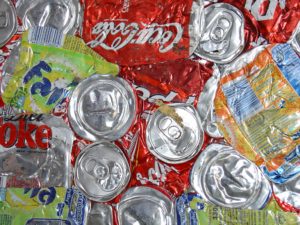
BMRA would like to remind people that recycling metal packaging (cans, tins, lids, foil, etc.) is essential to the circular economy and creates a valuable secondary raw material. To ensure no material is missed, therefore, it is vital to continue to use recycling bin/boxes, recycling points and centres, or even metals recycling (scrap) yards. This also includes Waste Electrical and Electronic Equipment (WEEE) such as tablets/computers, mobile/smart phones and home electricals.
However, BMRA agrees with the NAO that the current packaging waste recycling system should be re-examined to ensure that as much packaging material as possible is being properly recycled, whether this is done domestically or once it has been exported to another country.
For example, metal packaging in the UK is recycled at a rate of 74.7%* and a tin can, for example, is ready to be reused in just 60 days. Virtually all metals can be recycled into high quality new products and recycling helps to protect the environment by using less natural resource and saving energy.
* Metal Packaging Manufacturers Association
For further information, please contact:
Antonia Grey
t. 01480 455249
m. 07812037613
e. [email protected]
Notes to editors:
1. The British Metals Recycling Association (BMRA) represents the £7 billion UK metals recycling industry.
2. The BMRA’s 260+ members include large and small businesses in the ferrous and non-ferrous sectors including shredder operators, merchants and traders.
3. Metals recycling is a globally competitive and environmentally important industry. It supplies secondary raw material, which preserves natural resources, saves energy and reduces CO2 emissions by up to 80 per cent in metals production.
4. The UK metal recycling industry is so efficient at recovering metal from end-of-life products that more is recovered than can be consumed domestically. As a result, around over 80 per cent of all ‘waste’ metal is now destined for export. This means we are competing against suppliers from the USA and Japan who are not required to characterise recycled metal as waste.
5. Recycling of metals is also the major contributor to the UK’s achievement of targets under EU Directives such as end-of-life vehicles and packaging.
6. 12 million tonnes of metal is recycled each year. In 2017, the UK exported 9.3 million tonnes of recovered ferrous (iron and steel) metal and approximately 800 thousand tonnes of non-ferrous metal (such as aluminium and copper).